

HuFoSS is one of the leading partners in the European MARBEFES project, funded by the Horizon Europe Programme. MARBEFES explores the relationships between marine biodiversity, ecosystem functioning, ecosystem services, and the resulting societal benefits for coastal communities. HuFoSS focuses on actively engaging stakeholders, from fishers to policymakers, across a series of study areas that span the Arctic, the Baltic Sea, the North Sea, the Atlantic coasts, and the Mediterranean Sea. This knowledge and experience contribute to the development of practical, policy-relevant, and sustainable solutions for managing marine biodiversity and ecosystem services.
HuFoSS has released a new short introduction video for the Horizon Europe project MARBEFES. The video provides an accessible overview of the project’s objectives, approach, and activities. Watch the video here:
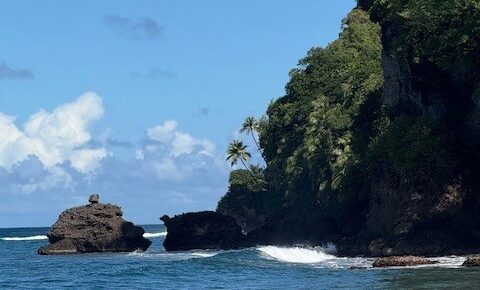
MARBEFES Outscaling: Stakeholder Insights from Martinique
Last week, the HuFoSS team travelled to Martinique as part of the MARBEFES project outscaling activities. This visit was an important step in testing whether the tools and approaches developed within MARBEFES can be applied in non-European contexts, such as the Caribbean Sea. Understanding Local PerspectivesDuring our visit we conducted interviews with local stakeholders to understand what they see as key elements in balancing nature, society, and the economy, and the pressures affecting this balance in the Martinican context. These conversations provided rich insights into local priorities, challenges, and opportunities, and will directly inform the further development of our tools. Understanding
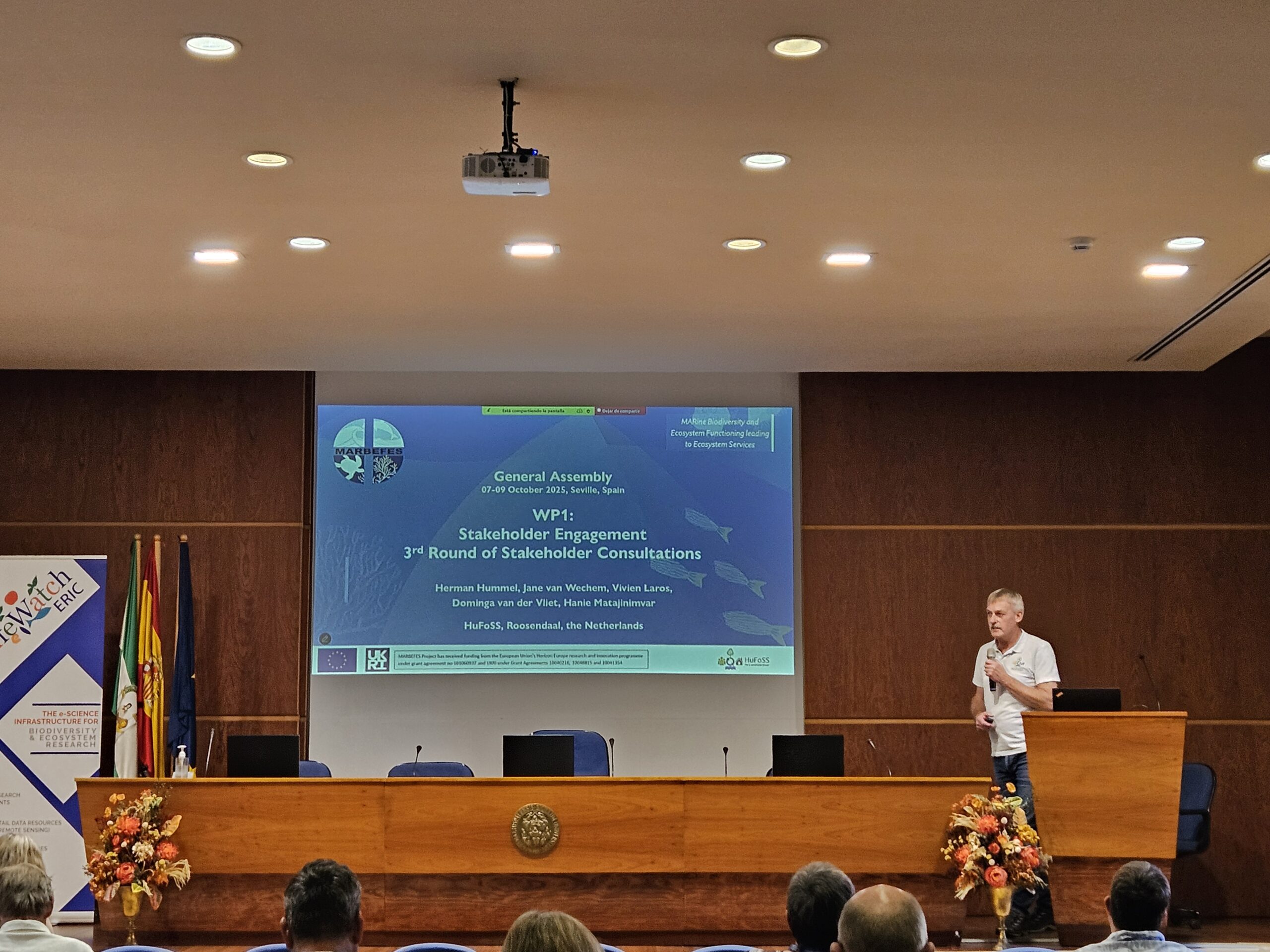
MARBEFES General Assembly in Seville
From 7 to 9 October, the HuFoSS team joined project partners from all over Europe in Sevilla, Spain for the General Assembly of the EU-funded MARBEFES project. Hosted by LifeWatch ERIC, the General Assembly brought together researchers to share progress, present results, and shape the next steps of the project. It was an inspiring three days full of presentations, discussions, and collaboration on marine biodiversity and stakeholder engagement practices. HuFoSS is proud to collaborate with many fantastic research partners who share our ambitions. We return home with renewed energy and valuable insights for the upcoming, final round of stakeholder consultations
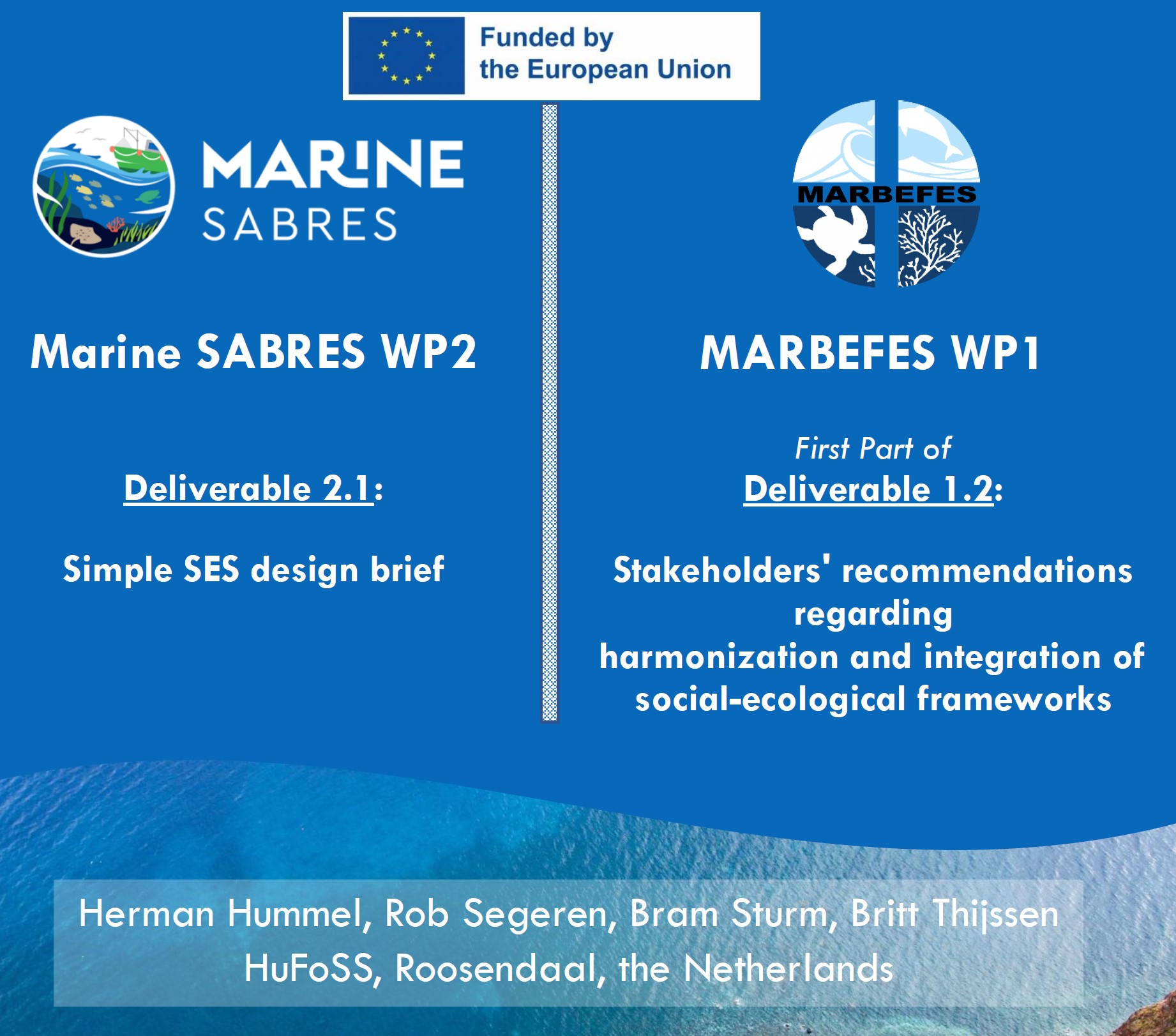
Marine SABRES Deliverable 2.1 – MARBEFES Deliverable 1.2 Part 1
A total of 231 stakeholders were interviewed or surveyed at 15 study areas within the projects Marine SABRES and MARBEFES. The stakeholders perceived Nature, Biodiversity, Economy, Large-scale Tourism, and Pollution to be the most important factors in their socio-economic and ecological environment. For many environmental factors a clear north-south gradient in the importance was clear. In south and north Europe conservation, protected areas, and iconic or exotic species, are more important than in the middle of Europe. Many economic activities, as large-scale fisheries, harbour activities, infrastructure and transport, are more important In the middle of Europe than in the south

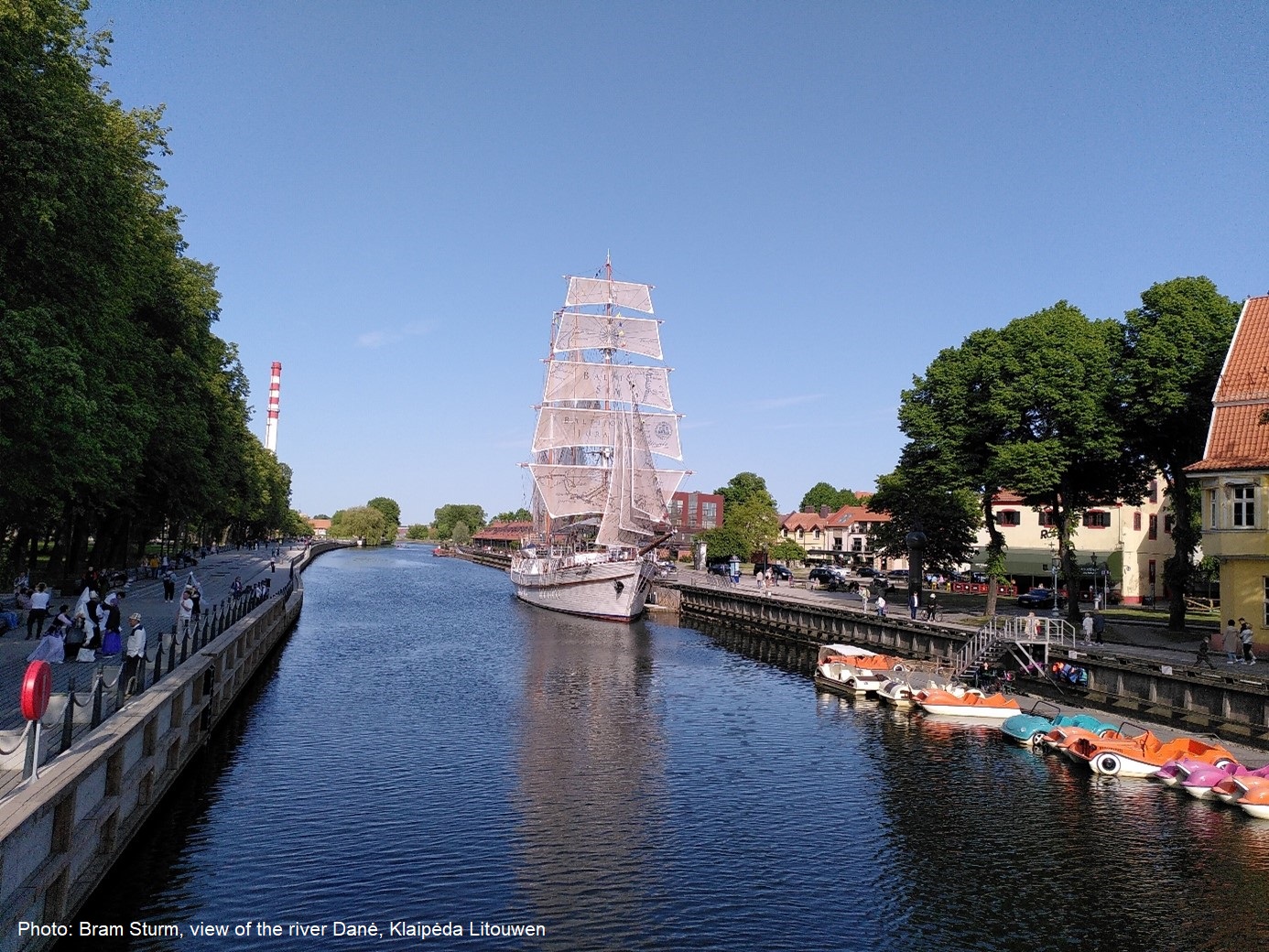
MARBEFES: Curonian Lagune, Lithuanian
In the last part of May we visited Lithuania. We went to Klaipėda, Palanga, Nida and Šilutė. With to good help of our colleagues Arturas and Jūratė of Klaipėda University we managed to visit all our stakeholders while having a tight schedule. During the interviews invasive species and the growing frequency of storm were elements that were mentioned by the stakeholders several times. The Lithuanian coast is mainly visited by Lithuanians themselves and it is a popular holiday destination. A visit to the Curonian Spit was therefore very much necessary.

MARBEFES: Belgium, Oostende
Spread out over a couple of months we traveled to the Belgium coast, to complete our interviews and survey’s in Belgium. The last interview was completed on July 4th. Together with our colleagues from VLIZ, we spoke to a large variety of stakeholders. Remarkable was how this coastal town fulfils a nostalgic role by so many people. During all conversations we found out that urbanization and industrialization of this coastal town are very important topics for the people here. We experienced a very nice and warm collaboration and look forward to future visits.

MARBEFES: Svalbard, Adventfjord & Kongsfjord
Directly after our fieldwork around the Porsangerfjord, we continued our travels to Spitsbergen. Our research areas were the Adventfjord (near Longyearbyen) and the Kongsfjord (near Ny Alesund). This visit contributed to our understanding on what it means to live and work at a place that is as unique as Spitsbergen. Part-time residence is the norm which causes for the society to be very young and extremely dynamic. All stakeholders were very outspoken about social and climatic topics. Changes in ice-cover due to higher temperatures, mass tourism, and local identity are real challenges to cope with. We want to thank Sabine

MARBEFES: Norway, Porsangerfjord
June was all about the Arctic! Our first stop was Tromsø where we completed the first 4 interviews. The next day we continued our travels to a small town, on the southern tip of the Porsangerfjord called, Lakselv. The stakeholder interactions went all very well, some of them were planned far in advance and some people joined our research on the spot. Together with our colleagues from Akvaplan-Niva, Sabine and Gwendoline, we covered a great amount of kilometers. In addition, we spoke to people from the Sami and Kvensk societies. It was a very special experience to hear about their

MARBEFES: Archipelago Sea
In May we had the pleasure of visiting Turku, a charming port city in the Archipelago Sea. We were hosted by our colleagues Tiina, Marie and Anna from partner institute Åbo Akademi University, Finland’s only Swedish-speaking university. In Turku we also had consultations with stakeholders, including from the hospitality industry, the cultural sector, and the local authorities. A highlight of our trip was the visit to Korpo, a beautiful island centrally located in the archipelago. Topics covered this week included the port’s historical and economic importance, the algal bloom that’s thriving in the Baltic Sea, and the prominence of summer
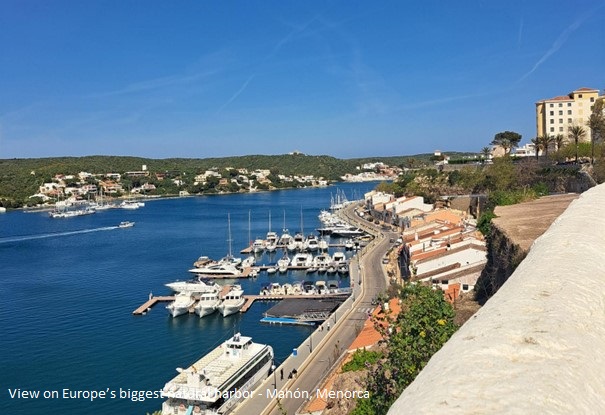
MARBEFES: Balearic Islands
Mid-April we visited the Spanish islands, Mallorca and Menorca. Together with our colleagues from IMEDEA we completed a very fun and productive week of interviewing stakeholders. Unlike his big brother, Menorca is far less known with the broad public. The island exudes history and luxury, because of the boats and yachts that lay in Europe’s biggest natural harbor. Again, this week was full of enthusiastic participants . We want to thank our colleagues Silvia, Ana and Maria del Mar for the nice collaboration and help with translations and we hope to see everyone again next year!
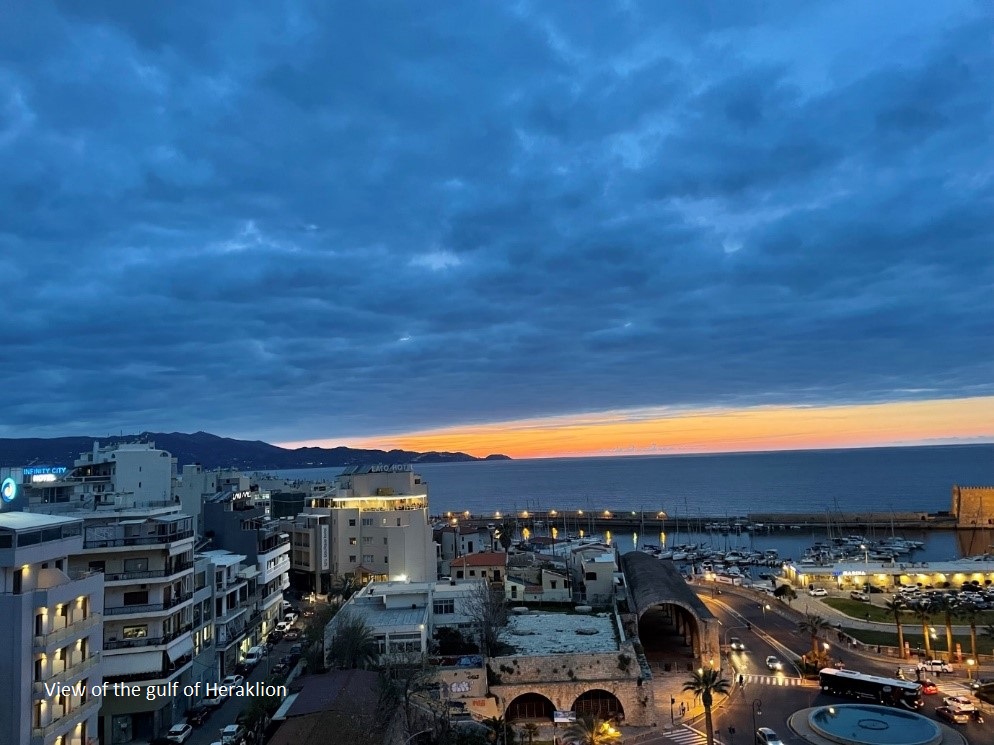
MARBEFES: Gulf of Heraklion
In the week leading up to Easter we paid a visit to Heraklion, capital of Crete and nearby to our partner institute Hellenic Centre for Marine Research (HCMR). Thanks to our colleague Yolanda Koulouri at HCMR we met a record number of stakeholders during our time there, all of whom expressed a great enthusiasm and interest in the research. They talked us through the most important issues at hand, such as tourism, the status of the marine environment and the role of coastal development in this context. A visit was also undertaken to the Archaeological Museum of Heraklion, where we

MARBEFES: Sardinia
At the end of February we undertook our first research trip for MARBEFES, to Sardinia. We stayed in the surroundings of Oristano and Cabras, along the western coast of the island. We conducted interviews and surveys with many different stakeholders. We would like to thank all of them for their enthusiasm and their valuable insights. In about a year we will come back for a round of feedback, to discuss the first results. Grazie also to our kind and helpful colleagues from CNR for facilitating a successful week. Giorgio, one of the Italian colleagues, was so kind to write a

MARBEFES: Bay of Biscay
In mid-March we will descend to the northern coast of Spain to visit Bahía de Santander and the surrounding coast of the Bay of Biscay, in the Cantabria region. A coastal area that is not only known for the beauty of its cliffs and beaches, but also for the quality of its gastronomy, in which fish and seafood play a central role. By entering into dialogue with stakeholders, we will learn more about important developments in the natural environment and in society. We look forward to exploring the area and its cuisine! In order to prepare, our colleague José Antonio

Kick-off MARBEFES
In the first week of October we attended the first general meeting of MarBEFES, in which HuFoSS operates as one of the leading partners. By invitation of the Polish Institute of Oceanography (IOPAN), more than sixty European fellow researchers gathered in sunny Sopot, located on the Baltic Sea. Over the next four years, we will be working with 22 research institutes on this international and interdisciplinary project. HuFoSS forms the link between the participating researchers and local users of the sea, allowing stakeholders to come to the fore and ultimately benefit from the project results. We look back on a successful

MARBEFES: MARine Biodiversity and Ecosystem Functioning leading to Ecosystem Services
HuFoSS is one of the lead partners in the MarBEFES project that will be financed for the coming 4 years by the Horizon Europe Programme to reinforce the European Green Deal program. In the project 22 research institutes from 15 European countries are involved. The main aims of MarBEFES are to evaluate and characterise links between marine biodiversity, ecosystem functioning, ecosystem services and the resulting societal goods and benefits in coastal communities. The results will be captured in easy-to-use tools to help practitioners and policy to maximise the ecological value and optimise a sustainable socio-economic use of the marine system for