

Marine SABRES is a European project funded by the Horizon Europe programme, with HuFoSS as one of the leading partners. The project supports stakeholders – from fishers to scientists – in making informed decisions about the conservation and sustainable use of marine ecosystems. HuFoSS coordinates the establishment of participatory stakeholder groups and interactive surveys to map local knowledge and priorities in study areas ranging from the Arctic Northeast Atlantic waters and the Tuscan Archipelago, to the Macaronesian islands. The project translates scientific insights into concrete management measures and promotes active involvement of citizens and local communities.

Marine SABRES WP2: Stakeholder engagement
Herman Hummel, Hanie Matajinimvar, Dominga van der Vliet, Vivien Laros, Veronika Poškut, Alissa Lotzkes (HuFoSS, Roosendaal, the Netherlands) Between December 2025 and January 2026, the third and final round of stakeholder consultations within Marine SABRES WP2 was carried out across seven case study locations. Through interactive workshops the stakeholders shared their viewpoints, appreciation, and suggestions for co-design on the semi-final tools produced by the various Work Packages (WPs) in the project. At the workshops the stakeholders tested, after a short introduction, the functionality of the tools in hands-on exercises. Three tools that were most developed for a wider audience, i.e., the
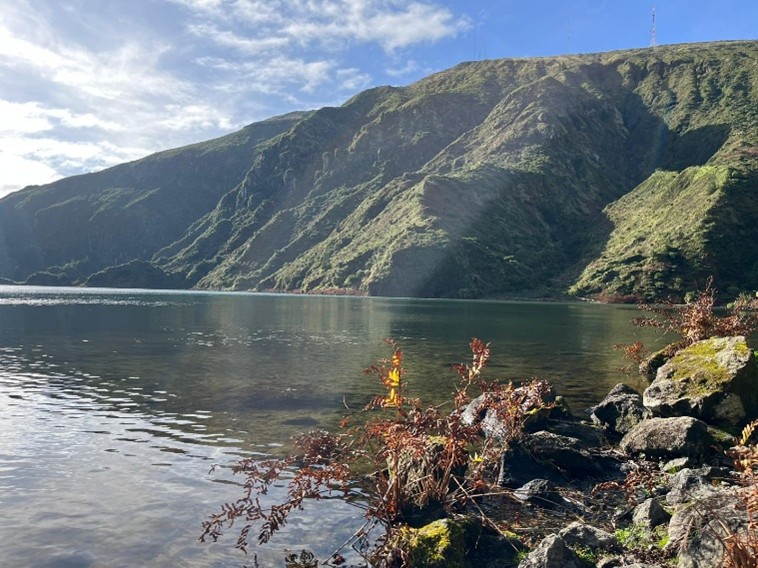
Launching the third round of MarineSABRES stakeholder consultations on the Azores.
HuFoSS has officially launched the third round of stakeholder consultations within the MarineSABRES project. This new phase started in the Azores, with workshop held on São Miguel and Terceira, marking the first locations where stakeholders engaged with tool prototypes in an interactive setting. Unlike earlier rounds, which focused on exploring local challenges, priorities and dynamics through interviews, this third round of consultations centres on testing semi-final tool prototypes together with stakeholders. The objective is to examine how these tools function in practice and where they can be improved to better reflect real-world coastal and marine contexts. During the workshop in the Azores,
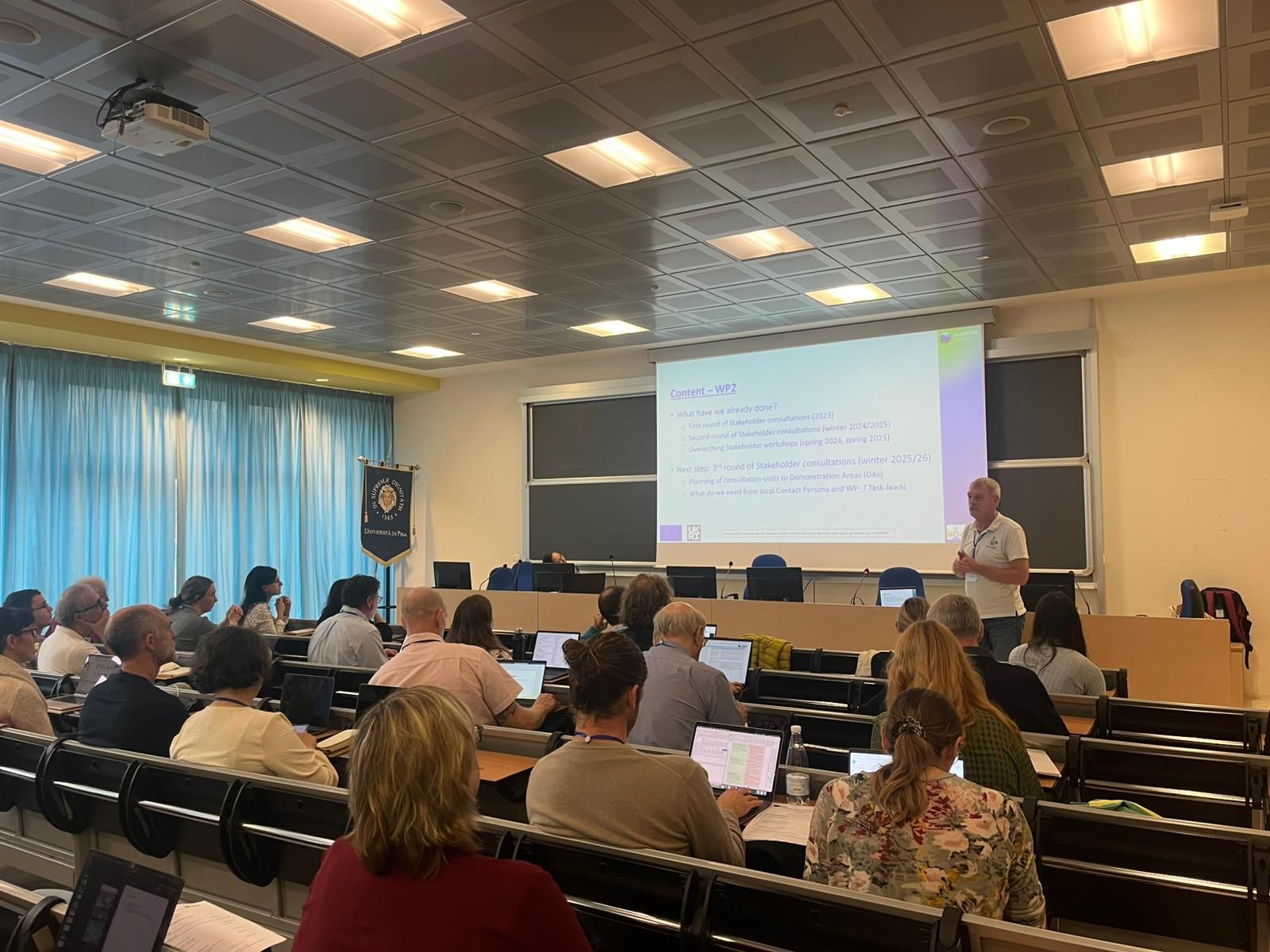
MarineSABRES General Assembly in Pisa
It was great to be in Pisa, Italy, last week for the MarineSABRES General Assembly, hosted by Università di Pisa. The meeting brought together partners from across Europe to share progress, insights, and challenges as we move further into the final phase of the project. HuFoSS presented updates on the stakeholder engagement process, highlighting the outcomes of extensive consultations across our Demonstration Areas. These discussions help ensure that the voices of local communities, industries, and policymakers are reflected in the decision-support tools our project partners are developing. A recurring theme has been how to communicate complex scientific socio-ecological information in ways
Marine SABRES Deliverable 2.1 – MARBEFES Deliverable 1.2 Part 1
A total of 231 stakeholders were interviewed or surveyed at 15 study areas within the projects Marine SABRES and MARBEFES. The stakeholders perceived Nature, Biodiversity, Economy, Large-scale Tourism, and Pollution to be the most important factors in their socio-economic and ecological environment. For many environmental factors a clear north-south gradient in the importance was clear. In south and north Europe conservation, protected areas, and iconic or exotic species, are more important than in the middle of Europe. Many economic activities, as large-scale fisheries, harbour activities, infrastructure and transport, are more important In the middle of Europe than in the south

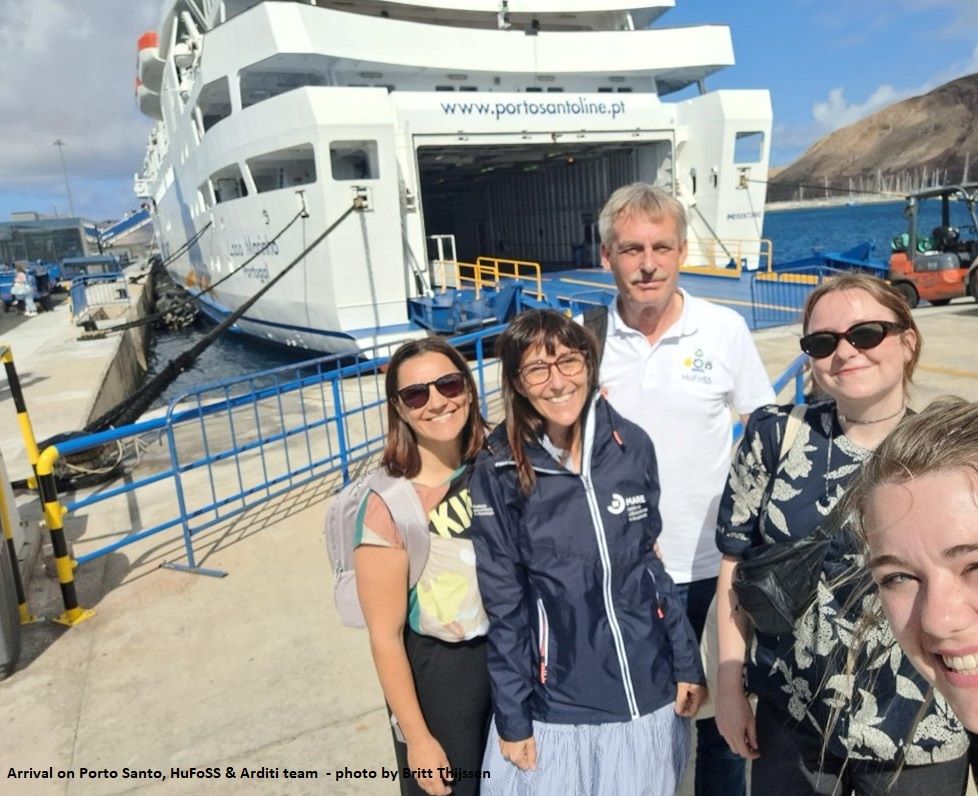
MarineSABRES: Madeira
In the first week of May, we visited the island of Madeira and Porto Santo together with our colleagues from MARE-ARDITI. This was our second trip in the Macaronesian archipelago, previous was our visit to the Azores, and we have one more coming up: The Canary islands. In Funchal, we held a workshop with a diverse group of local stakeholders from sectors such as tourism and fishing at the University of Funchal. Also, we traveled to Porto Santo by ferry and held another workshop at the local municipality building. This was followed by two more days of interviews with different stakeholders, to
MarineSABRES: The Azores
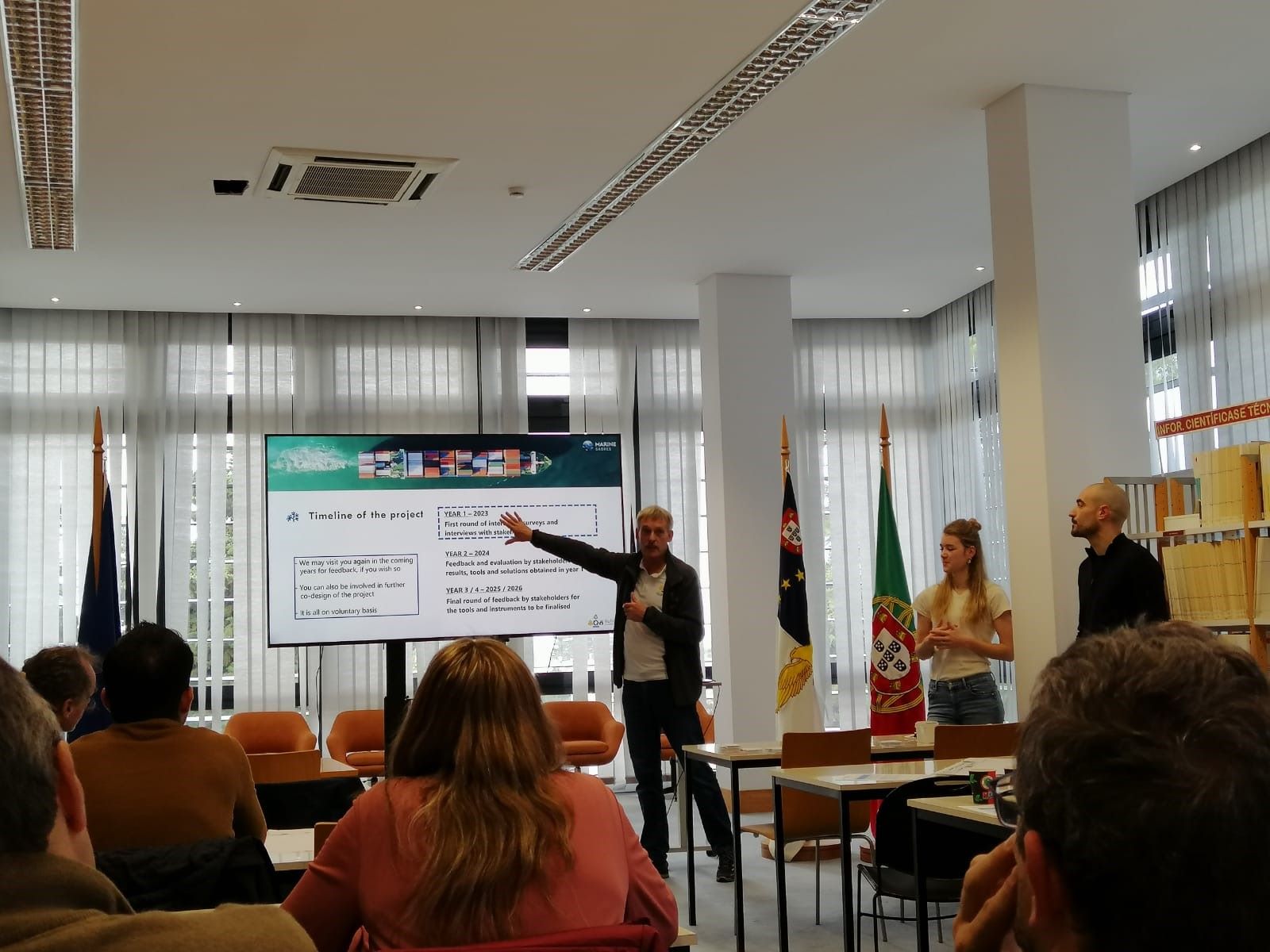
In late March, we embarked on a journey to the Azores, an archipelago situated in the heart of the Atlantic Ocean. Renowned as Portugal’s hidden gem, the Azores comprise nine volcanic islands that are a paradise for nature enthusiasts, thanks to the presence of lush forests, breathtaking waterfalls, and natural hot springs. Before we could indulge in the islands’ offerings, we got to work, conducting stakeholder interviews and surveys. We engaged with a diverse array of stakeholders, each possessing their unique viewpoints regarding the coastal and marine environment of which they are part. Our conversations spanned various groups, such as whale

MarineSABRES: Well begun is half done
Visiting Capraia with our Italian colleagues. The first stakeholder visits for the MarineSABRES project are completed. Thanks to our amazing colleagues from Pisa University, for introducing us to great people, the beautiful city of Pisa and little Capraia Island. A very promising start – Next stop: The Azores

MarineSABRES: Upcoming visit to the Tuscan Archipelago
After months of preparation the moment has come for our first visit to one of the participating research areas of the MarineSABRES project: the Tuscan Archipelago. Over the course of one week we are going to interact with stakeholders who are active along its coasts, ranging from those working in the tourism industry, to fisheries, to civil servants and researchers. We are curious to get to know their views on the relationship between the natural environment and the social and the economic benefits it supports. Stakeholder input forms the base of the project, which aims to find an optimal balance

Kick-off MarineSABRES
In the middle of September, the first general meeting of MarineSABRES, in which HuFoSS is one of the leading partners, was held in Cork. At the invitation of the Irish Research Center for Energy, Climate and Marine Research and Innovation (MaREI), we became acquainted with the international group of researchers with whom we will be working on this innovative interdisciplinary project for the next four years. The role of HuFoSS is aimed at inquiring residents and institutions on the participating islands about their perception of the marine and coastal environment and engaging them in research, so that the results align

MarineSABRES: MARINE Systems Approaches for Biodiversity Resilience and Ecosystem Sustainability
The Marine SABRES project is a Horizon Europe Programme to reinforce the European Green Deal program and will be financed by the EU from September 2022 for the coming 4 years. Among the 22 research institutes, from 11 European countries, HuFoSS is one of the lead partners. The aim of Marine SABRES is to enable stakeholders, such as practitioners, managers, scientists, policy and the public at large, to make well-informed decisions regarding the balance between conservation and protection of marine biodiversity, the maintenance of the natural structure and processes of marine ecosystems; and the support of a sustainable delivery of societal